-
·
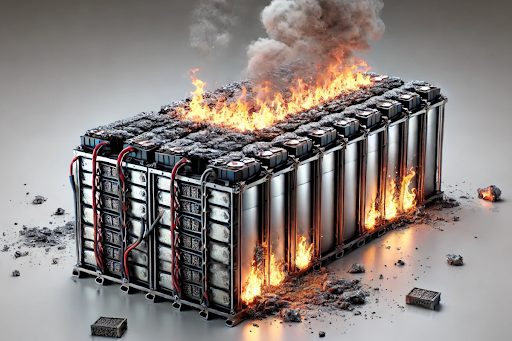
What Are the UN 38.3 Transportation Testing Requirements for Lithium-Ion Batteries?
Article Summary Understanding UN 38.3 Battery Testing: Current Standards and What’s Coming Next Lithium batteries are everywhere — powering everything from smartphones and laptops to electric vehicles and energy storage […]
-

·
What Is the Impact of the New EU Battery Directive on Lithium-Ion Battery Manufacturers?
Article Summary Navigating the New EU Battery Directive: Challenges and Opportunities The European Union’s new battery directive is reshaping how manufacturers, shippers, and packaging companies must think about compliance, traceability, […]
-
·
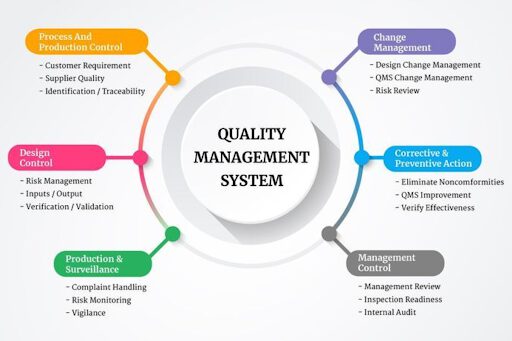
Who Can Get AS9100 and ISO 9001 Certified, and How Long Does It Take?
Article Summary Understanding ISO 9001 and AS9100 Certification: What It Takes to Achieve Nearly every manufacturing or organizational operation today is open to pursuing certification under ISO 9001 or AS9100. […]
-

·
Can Lithium-Ion Batteries Withstand Extreme Conditions?
Article Summary Lithium-ion batteries are an essential part of modern life, powering everything from smartphones and laptops to electric vehicles (EVs) and power tools. By design, they are often exposed […]
-
·
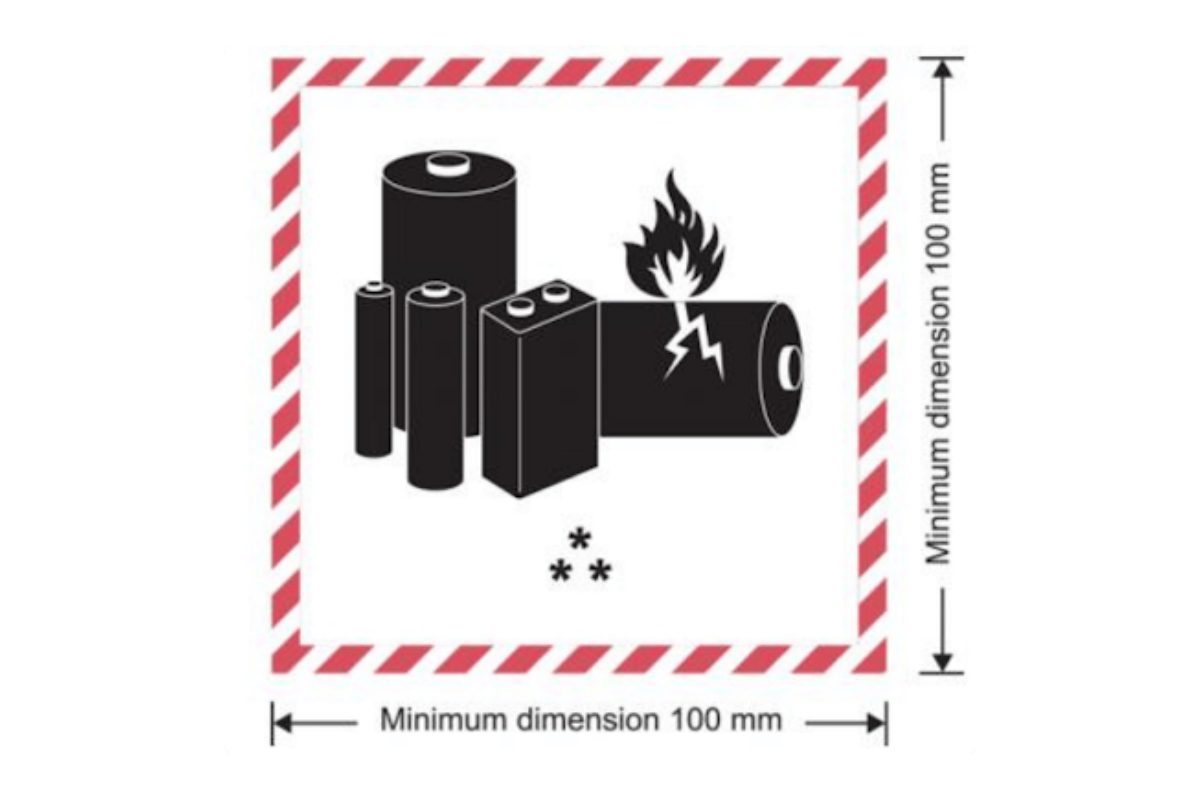
Labeling Requirements: Navigating the Evolving Packaging Requirements for Lithium-Ion Batteries
Article Summary The Labeling Mistakes That Could Cost You Your Business Lithium-ion batteries are no longer fringe cargo. They’re in everything from phones to forklifts, and if you’re shipping them, […]
-

·
Responding to a Notice of Probable Violation
Article Summary A Notice of Probable Violation (NOPV) from the DOT is serious—but it’s not the end of the road. This formal notice outlines alleged violations and potential penalties, and […]
-

·
Preparing for a DOT Enforcement Visit
Article Summary Seeing a DOT inspector at your door can be nerve-wracking—but it doesn’t have to be. With the right preparation, your team can handle an inspection with confidence and […]
-

·
Decoding DOT Incident Reporting Rules
Article Summary The DOT doesn’t leave incident reporting to guesswork—there are clear rules on when and how to report hazardous materials incidents. Found in 49 CFR Part 171, Subpart B, […]
-
·
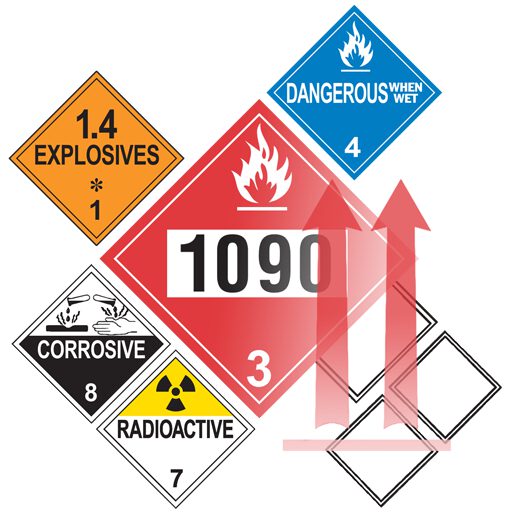
Key Requirements and Best Practices for Complying with the U.S. Department of Transportation Regulations
Article Summary The Thin Line Between Compliance and Catastrophe If you think DOT regulations are just bureaucratic paperwork, you are already behind. The U.S. Department of Transportation rules aren’t there […]
-
·
The Top HazMat Violations that Could Cost Your Company Thousands
Article Summary The Cost of Complacency If you’re running a business that ships hazardous materials and you’re not obsessing over compliance, you’re playing Russian roulette with your company’s future. It’s […]
-

·
Why Monitoring Hazmat Incidents Protects Your Business
Article Summary When it comes to hazardous materials transportation, ignorance is not bliss—it’s a compliance risk. Many shippers assume they’ll be informed if their shipment is involved in an incident, […]
-

·
Navigating the Changing Landscape of Lithium-Ion Battery Recycling Logistics
Article Summary The lithium-ion battery industry is at a crossroads. As demand for electrification grows, so does the urgency to determine how end-of-life batteries should be transported, handled, and recycled. […]